Healthcare SignalsPatterns Shaping Patient Access, Volume, and Trust
Healthcare systems are failing to attract patients due to factors no one is tracking. Not because of capabilities or competition, but because of friction that patients never report. Each month, Healthcare Signals surfaces the patterns shaping the patient experience, creating a map for marketing and strategy leaders looking to grow patient trust, loyalty, and engagement.


THIS MONTHOctober 2026
What It Means to Actually Empower a Patient
There's an abundance of healthcare information available. Understanding that information is another story.
The gap between the two is where trust goes quiet, and what Anna Subrizi has spent her career trying to bridge.
As Senior Director of Patient Empowerment at Bristol Myers Squibb, Anna helped build Universal Patient Language (UPL), a health literacy framework more than a decade in the making, co-created with patients, caregivers, and advocacy groups. It’s available as a free resource for anyone communicating in healthcare — or about it.
In Episode 3 of "The Point," Anna joins The Grovery to explore:
- Why patient empowerment isn't about giving people more; it's about giving them what they need
- The "invisible members of the care team" most healthcare brands still overlook
- What happens inside an organization when patient-friendly communication becomes a shared operating principle
Let's Talk About What Your Team Is Navigating
Whether you're trying to improve patient acquisition, strengthen service line growth, or align internal stakeholders, we're happy to share perspective.
Book a 20-Minute ConversationMore Insights

“Draw It for Me”: Creating Experience Truly Centered on the Patient
Ask a life sciences brand if they are patient-centric, and the answer generally is yes. Ask them to draw it, and the brand usually ends up in the center.

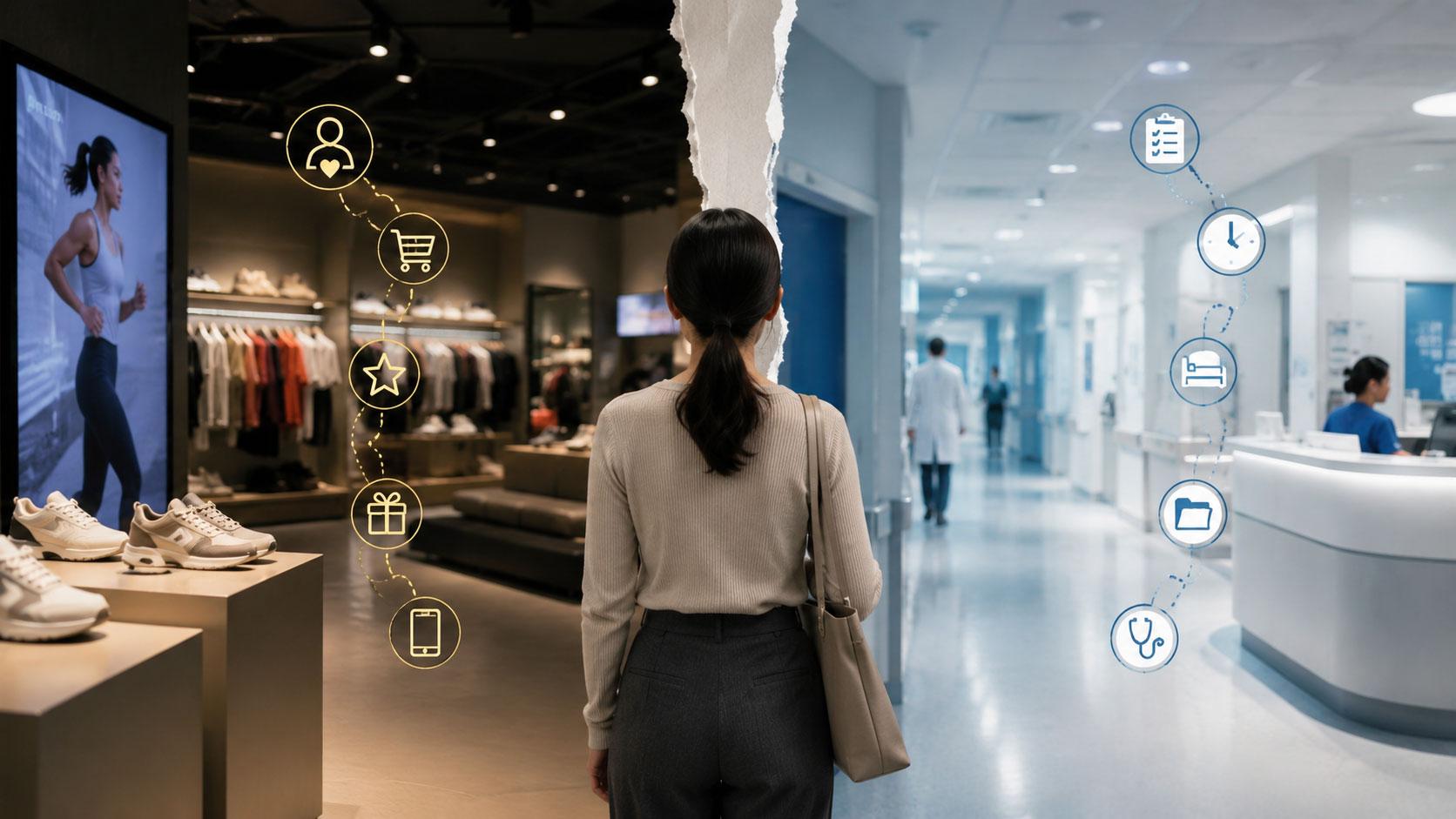
The Consumer Mindset Healthcare Needs Right Now
Patients easily have three to five health systems within reach. They arrive informed and ready to leave if the experience falls short. The script has flipped.

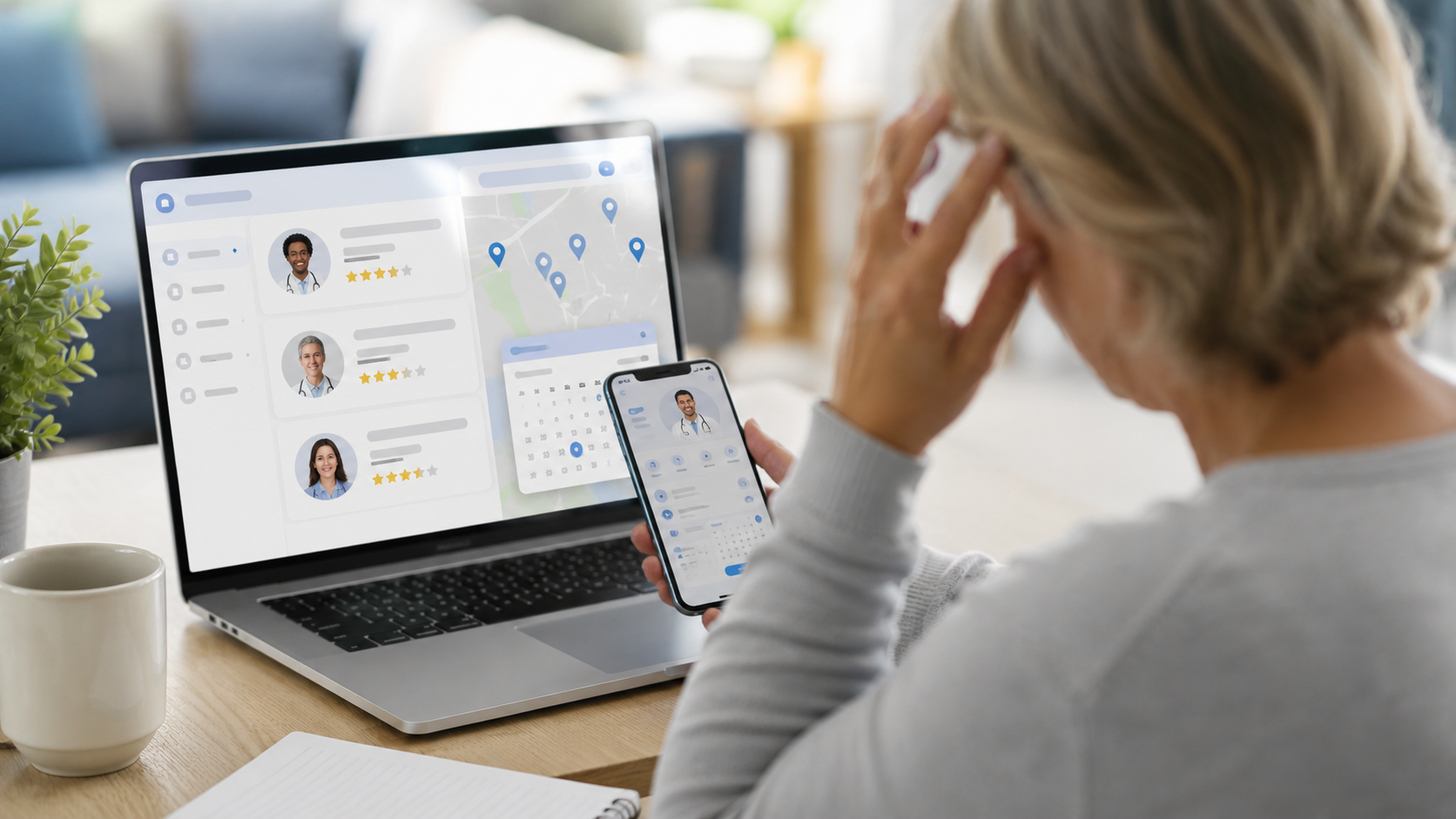
The Digital Front Door Is Costing Your Health System Patients
61% of patients skipped a doctor's appointment last year because scheduling was too much hassle. Is your volume problem living in your search bar?