
From "The Point," Episode 1 — featuring brand strategist Chris Ledford and brand partnership expert Gina Cuniere
Here's a question worth sitting with: When was the last time your health system approached a patient the way Nike approaches a sneaker buyer?
The answer, for most systems, is never. And that gap is getting expensive.
In the first episode of "The Point," The Grovery's Gina Cuniere sat down with Chris Ledford, a brand strategist who's worked across retail, consumer goods, and healthcare, to talk about what it means to treat the patient as a consumer and why health systems keep leaving that insight on the table.
The Script Has Flipped
"Patients have a whole array of places to get information," Chris says. "Doctor's orders are not doctor's orders anymore. People come in empowered and knowledgeable."
That's not a complaint. It's a brief. The same dynamics that make consumer brands obsess over first impressions, channel mix, and real-time feedback apply to health systems now.
And the competitive stakes are real. Within any given metro area, patients typically have three to five hospital systems to choose from, plus countless doctor's offices of all shapes and sizes. That's a competitive market. Health systems just don't always act like it.
Consumer Brands Pivot. Healthcare Often Doesn't.
Chris is direct about why: Healthcare brands get caught up in operations, compliance, and regulation—and lose sight of how it affects the experience their patients get at the end of the day.
Consumer brands don't have that luxury. They know exactly how many people saw an ad and whether it moved the needle. When it doesn't, they flip the script. Fast.
"If they're not getting results, they pivot. They change their messaging. They change their approach. And the consumer drives those decisions," Chris says.
The path forward for health systems isn't to abandon clinical or compliance rigor—it's to bring the same urgency to patient experience that consumer brands bring to the shelf.
The CMO's Problem
If you're a CMO or VP of marketing at a health system nodding along, Chris sees the wall you're up against: "You sit in a boardroom with people who are operationally focused, who want efficiency and compliance. And this is where experience can get lost in that sauce."
It's "heads and beds," the pressure to fill capacity, drive throughput, and hit operational metrics. Chris's answer isn't to fight that framing, it's to reframe patient experience as a business case, not a soft initiative.
"CMOs will have to come armed with the business case for providing exceptional experience. It's not just fluff. It's going to be the first thing that affects your bottom line."
What Drives Loyalty
When asked what he looks at first when working with a new health system, Chris's answer is straightforward: the patient base. He digs in to understand who they are, what they value, and what their options are.
But then he goes deeper: "What was the feeling they had? What was the experience? What did they leave with?"
Those questions belong in a marketing brief just as much as they do in a discharge survey, because they often make all the difference between a patient continuing with one system or going to another.
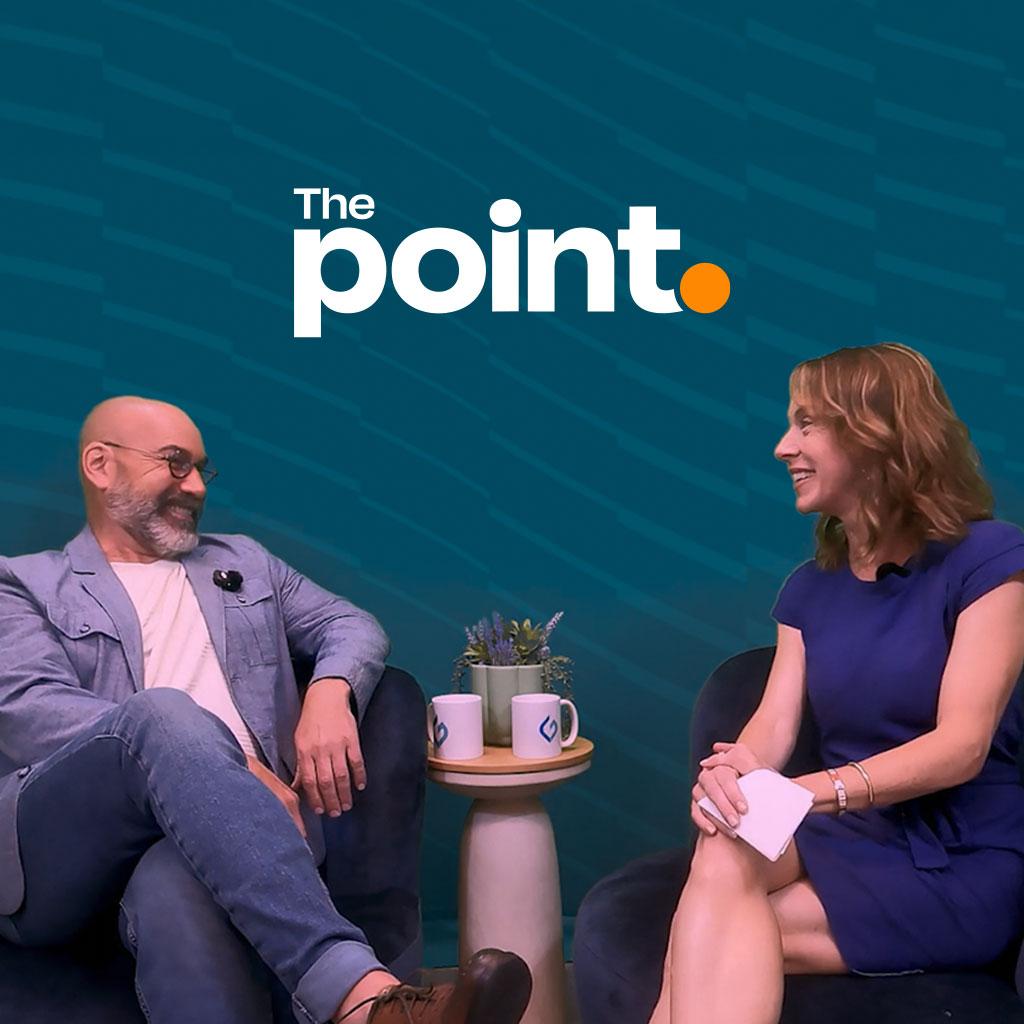
Watch Episode 1 of "The Point"
"The Point" is a new series from The Grovery exploring how understanding builds exceptional experiences in healthcare.