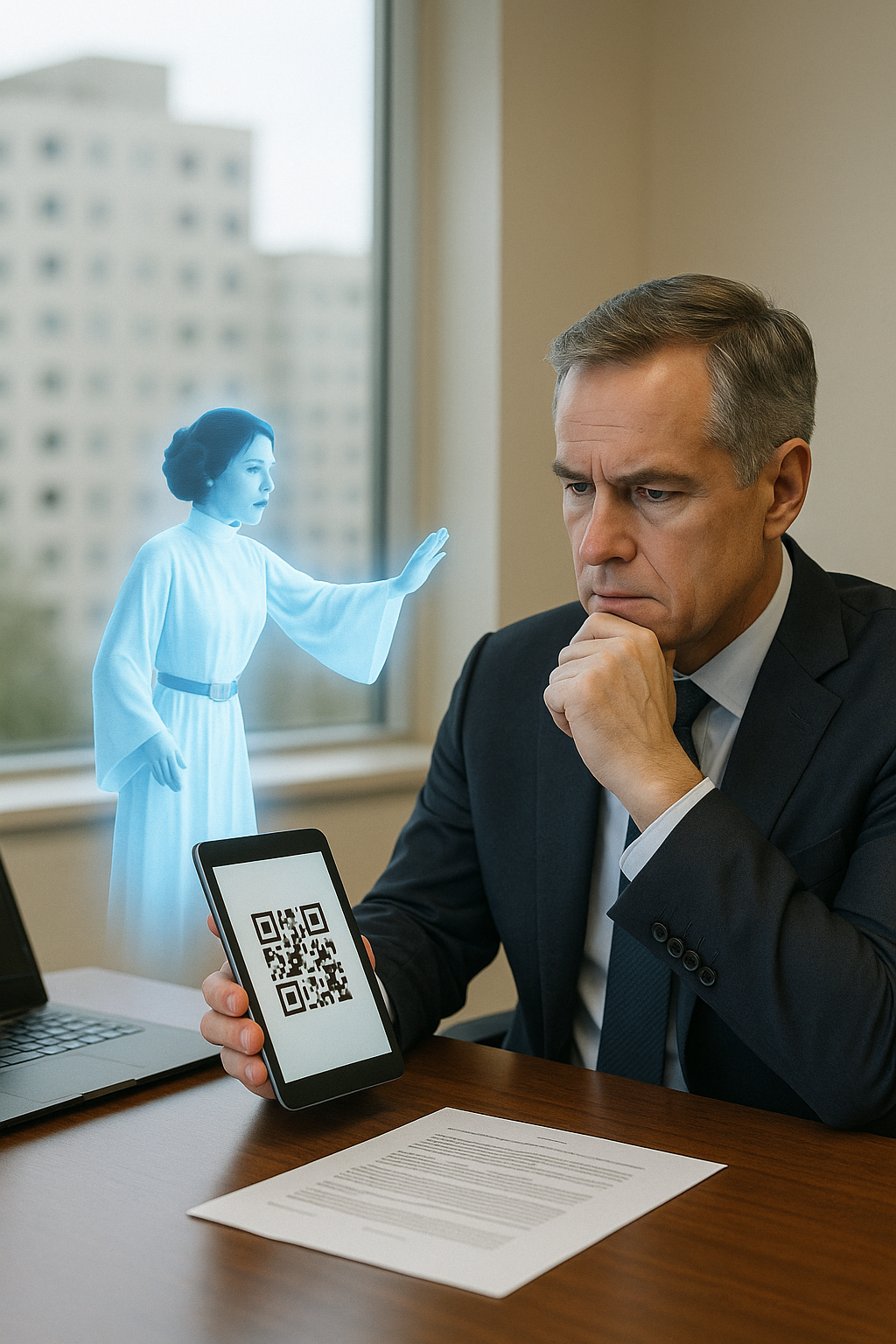
Put yourself in this top executive's shoes… Your company has invested millions on technology that will elevate its brand presence. Your teams—from operations, to marketing, to sales—need personalized content that brings that innovation to life and clarifies their roles in its success.
Your teams are global, so online communications are the best option. But your new tech is proprietary, meaning you need to build out custom messaging. That combination means an investment—to the tune of tens of thousands of dollars.
The results? Not great.
Only 15% of your team members ever complete their cost-intensive education, tracking the dismal engagement benchmarks plaguing the online training sector—not to mention missing the mark on your goal to rally teams around your new solution.
This engagement puzzle is one shared by training, marketing, and communications professionals alike.
The Problem with Traditional Engagement

Traditional online training struggles with low engagement rates and poor completion statistics.
It's no secret that employee attention spans are low, while burnout levels are high. Yet employee engagement is critical to external performance.
Savvy leaders are learning that traditional content is no longer enough to captivate today's audiences. They are turning to solutions that immerse, maintain attention, and create buzz around the water cooler—leading to better retention, morale, and results.
Want Higher Engagement? Ask Princess Leia.
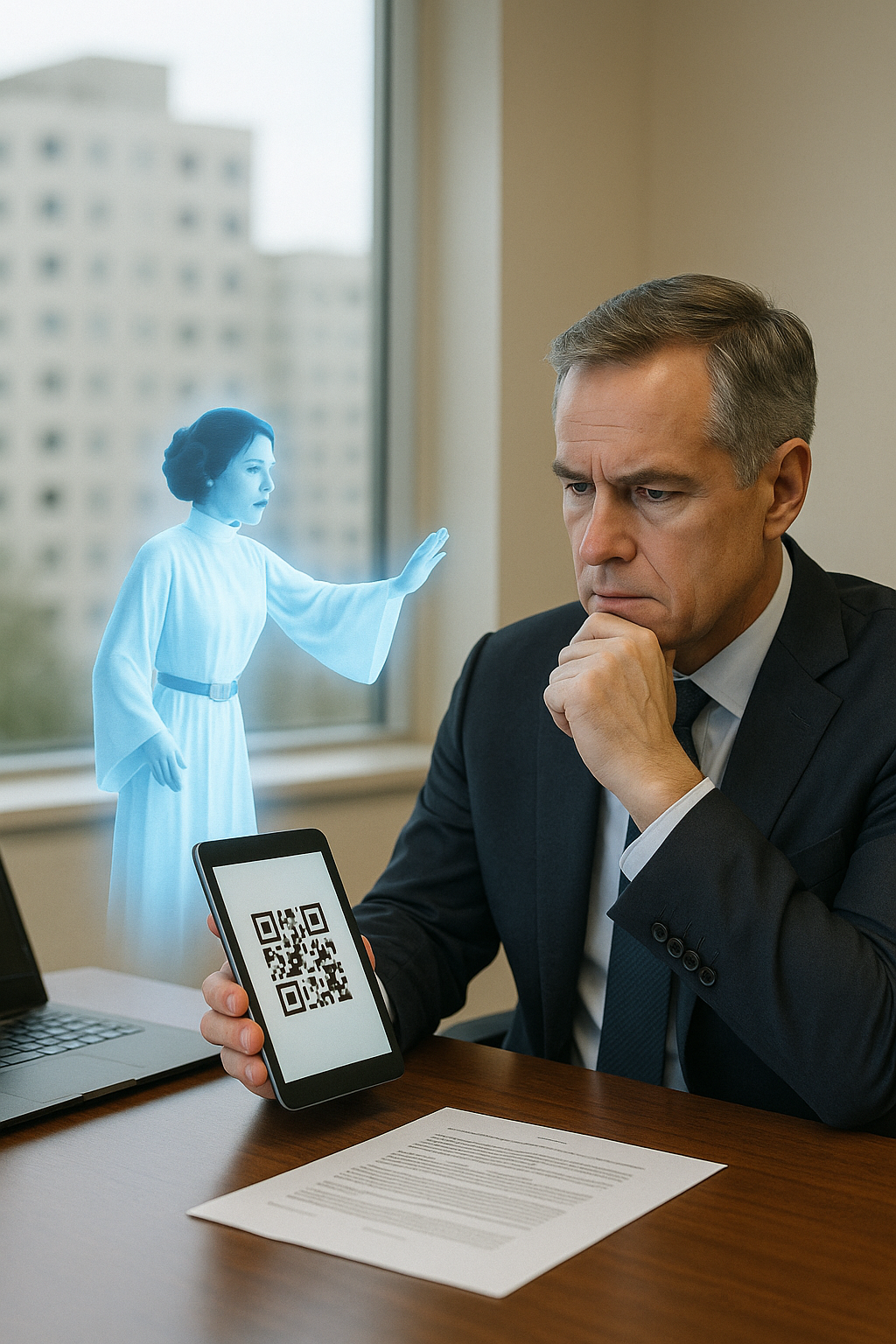
AR training brings executives directly to employees through immersive holographic experiences.
Augmented Reality (AR) is one trend redefining the way companies can boost internal engagement. What might the above scenario have looked like if training involved AR?
- Team members would receive a QR code linked to content
- Once accessed, the code would beam a 3D avatar of the exec directly to employees—with no travel expenses!
- The exec would deliver, via AR, personalized messaging that aligned priorities across functions
Think of it like the iconic hologram of Princess Leia calling for intergalactic help—but in your boardroom.
The engagement rates? That's no sci-fi. The real-world results in the case study below show that an AR campaign can blast through industry standards.
AR is an example of a smart investment in corporate communications, scalable across teams and locations. Its technology is flexible, allowing it to be adaptable across a multitude of budgets.
Let's explore how a major pharmaceutical brand used AR to align and engage its sales team like never before.
AR in the Real World: The Pharma Case Study
A major pharmaceutical brand needed educational, engaging content to train sales reps on new administration of a cancer drug. Because the team was spread out geographically, the physical presence of a trainer was untenable. So, an innovative augmented reality experience was created.
Here's how it worked:
- Reps received an email inviting them to scan a QR code or click a mobile link to access training information.
- Using AR, a 3D avatar of a US brand lead instantly appeared in the room to deliver personalized messaging.
- This created not only a memorable experience but ensured consistent training across teams.
The Results

Pharmaceutical AR training results showing 696 unique visitors (139% of email list) and 841 total visits.
The QR code was emailed to 500 employees. Typical campaigns in the pharma sector get approximately 11% of an email send list to click through. So, if 55 to 100 employees clicked the code, it would have likely been high fives all around.
What happened was unprecedented.
696 people visited the site—139% of the list, or more than 10× the industry norm. That indicates not only was there high interest among the original 500 employees, but that content was irresistible enough to share.
Now let's look beyond those initial clicks. The AR training site saw a total 841 visits. That means that of the 696 unique people who scanned the QR code, about 17% came back more than once to re-engage with content they found compelling.
What did those people do once they got to the microsite? They paid attention.
According to industry standards, if someone spends more than 8-9 seconds on a site it counts as "attention." In this case, viewers spent on average 81 seconds on the AR site—once again besting typical thresholds by 10 times.
The impact? Well, with 696 people watching the AR avatar for, on-average, 1 minute and 20 seconds, the campaign racked up 15.6 hours of employee attention. Not bad for a single email send.
Bottom line, this AR-driven campaign:
- Reached 39% more visitors than people emailed
- Saw visitors spend 10× more time than the industry norm interacting with content
- Created lasting interest; 1 in 6 visits were repeats
- Generated almost 16 hours of total engagement
And, numbers aside, AR helped this large pharmaceutical deliver training that aligned the practices of its field reps, allowing them to deliver clear messaging to healthcare providers on how to offer critical therapy to patients in need.
Imagine how it could work for your next campaign.
Interested in exploring how AR could be implemented at your company?